If you wake up to water droplets running down your windows, you're definitely not alone.
Condensation is a common problem in New Zealand homes, especially during the colder months. You might notice a light misting on the glass, or find water pooling along the window sill or in the tracks first thing in the morning.
It’s easy to assume there’s something wrong with your windows. But the windows aren't really the problem.
Condensation is usually a sign that there’s too much moisture in the air inside your home.
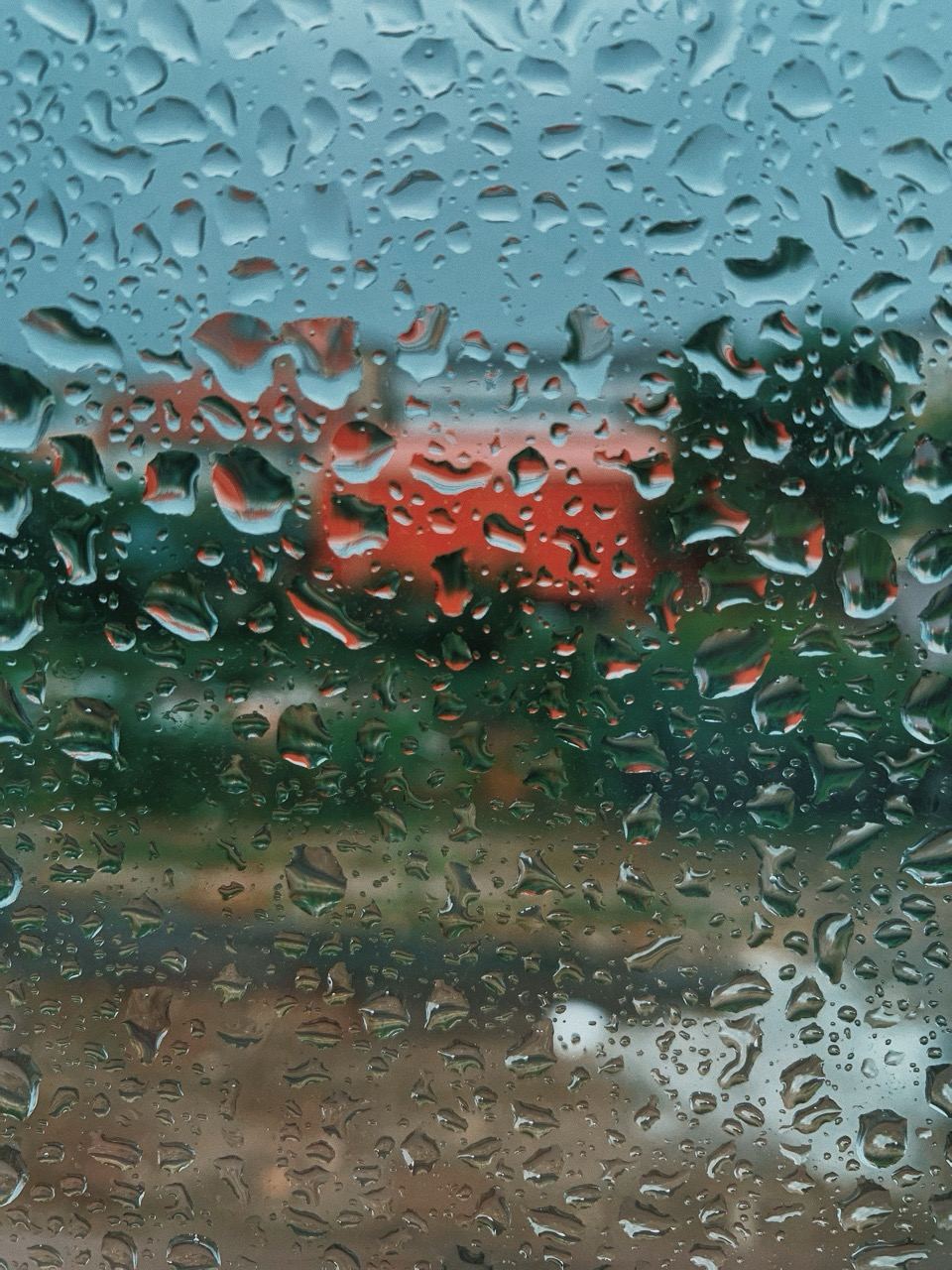
So, why does condensation happen?
There’s always some moisture in the air around us. Everyday things like showering, cooking, drying clothes and even breathing all add more water vapour to your home.
Warm air can hold more moisture than cold air. When that warm, moisture-filled air comes into contact with a cold surface, such as your window glass, it cools down. Eventually, the air can’t hold all that moisture, so it turns into water droplets.
And there are a few things that can make the problem worse in New Zealand homes:
- Single-glazed windows and aluminium joinery can get particularly cold, giving moisture somewhere to settle.
- Keeping the house closed up during winter helps keep the heat in, but also keeps moisture inside.
- Damp subfloors without a ground moisture barrier can add to the amount of moisture in the home.
- Limited or inconsistent ventilation means that damp air has nowhere to go.
Why is it always worse in the morning?
There’s a simple reason you tend to notice condensation when you wake up.
Overnight, your heating is often turned down or switched off, so the temperature inside the house drops. Your windows can become particularly cold in the hours before dawn.
At the same time, moisture continues to build up — especially in bedrooms where people have been breathing overnight.
So, by morning, you've got the dampest air meeting the coldest glass of the day.
That’s why you can go to bed with clear windows and wake up to them covered in condensation.
Is condensation actually a problem?
A little condensation might not seem like much. After all, you can just wipe it away and get on with your morning.
The problem is that the water you can see on your windows is only the visible sign of a bigger moisture issue inside the home.
If the moisture isn’t dealt with, it can contribute to:
- Mould around window seals, reveals and curtains
- Rot in timber window joinery
- Higher heating costs, as damp air takes more energy to warm
- Health issues, with damp homes linked to asthma, allergies and respiratory infections
This is also why moisture and ventilation requirements form part of the Healthy Homes Standards for rental properties.
How can ventilation help?
The simplest way to think about ventilation is this: it gets the damp air out of your home.
Good ventilation lowers the humidity inside, making it less likely that moisture in the air will reach its dew point when it hits cold glass.
A home ventilation system draws dry, filtered air from the roof space and circulates it through the house. This gently displaces the damp air that builds up during the day.
And because the system runs continuously and automatically, moisture can be removed as it’s produced rather than being left to build up overnight — when condensation is most likely to appear.
There’s no need to remember to open the windows, which is particularly useful when it’s cold outside.
What about a Better Vent system?
Better Vent systems use a smart sensor to adjust to the conditions inside and outside your home.
The system runs faster during the day, when the air in the roof space is warmer and drier, and slows down overnight. That means you get continuous ventilation without introducing cold draughts while you're trying to sleep.
What else can I do to reduce condensation?
Ventilation tackles the underlying moisture problem, but there are some simple things you can do to reduce how much moisture you're putting into your home in the first place.
Try to:
- Run your bathroom and kitchen extractor fans for long enough, and keep the doors closed while they're running.
- Cover pots when you're cooking to stop excess moisture escaping into the house.
- Dry washing outside where possible. If you need to dry it indoors, keep it in one closed room.
- Keep furniture and curtains away from windows so air can circulate freely.
- Consider double glazing, which can help keep the inside surface of your windows warmer.
These steps can all make a difference. But homes generate moisture surprisingly quickly, and leaving windows open all day isn't exactly practical during a New Zealand winter.
The bottom line
If you're wiping condensation off your windows every morning, the water on the glass isn't really the problem. It's a sign that there’s more moisture in your indoor air than your home can comfortably deal with.
Wiping the windows gets rid of the water you can see, but it doesn't remove the moisture from the air.
That’s where ventilation comes in. By continuously managing the moisture inside your home, a ventilation system helps tackle the problem at its source.
Better Vent installs ventilation systems in homes across New Zealand, backed by a 6-year warranty and costing less than $3 per month to run.
If you're tired of waking up to wet windows, get a free, no-obligation quote from Better Vent.